Deciding whether to remove a tree from your Saint Louis property isn't always straightforward. Trees provide shade, beauty, and environmental benefits—but they can also become serious liabilities when they're diseased, damaged, or structurally unsound. Thompson Tree Care and Landscaping has been helping homeowners make these critical decisions for more than a decade, and we've compiled this comprehensive guide to help you recognize when tree removal is the right choice.
7 Warning Signs Your Tree Needs to Be Removed
1. Visible Decay and Structural Damage
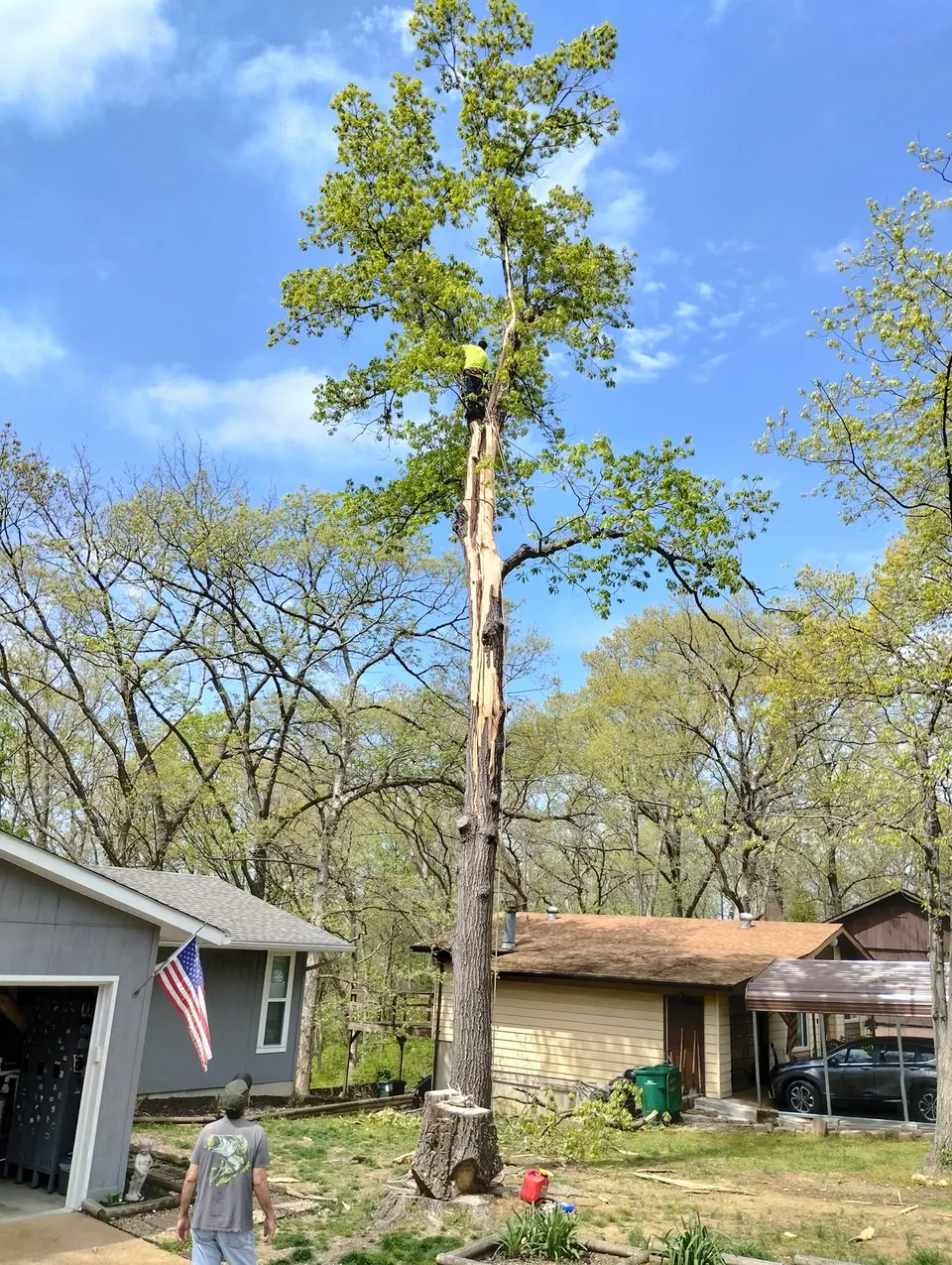
One of the clearest indicators is visible decay in the trunk or major limbs. Look for soft, crumbly, or discolored wood, especially at the base. Cracks, splits, or cavities in the trunk are red flags—they compromise the tree's structural integrity and make it vulnerable to collapse during storms or high winds.
2. Dead or Dying Branches
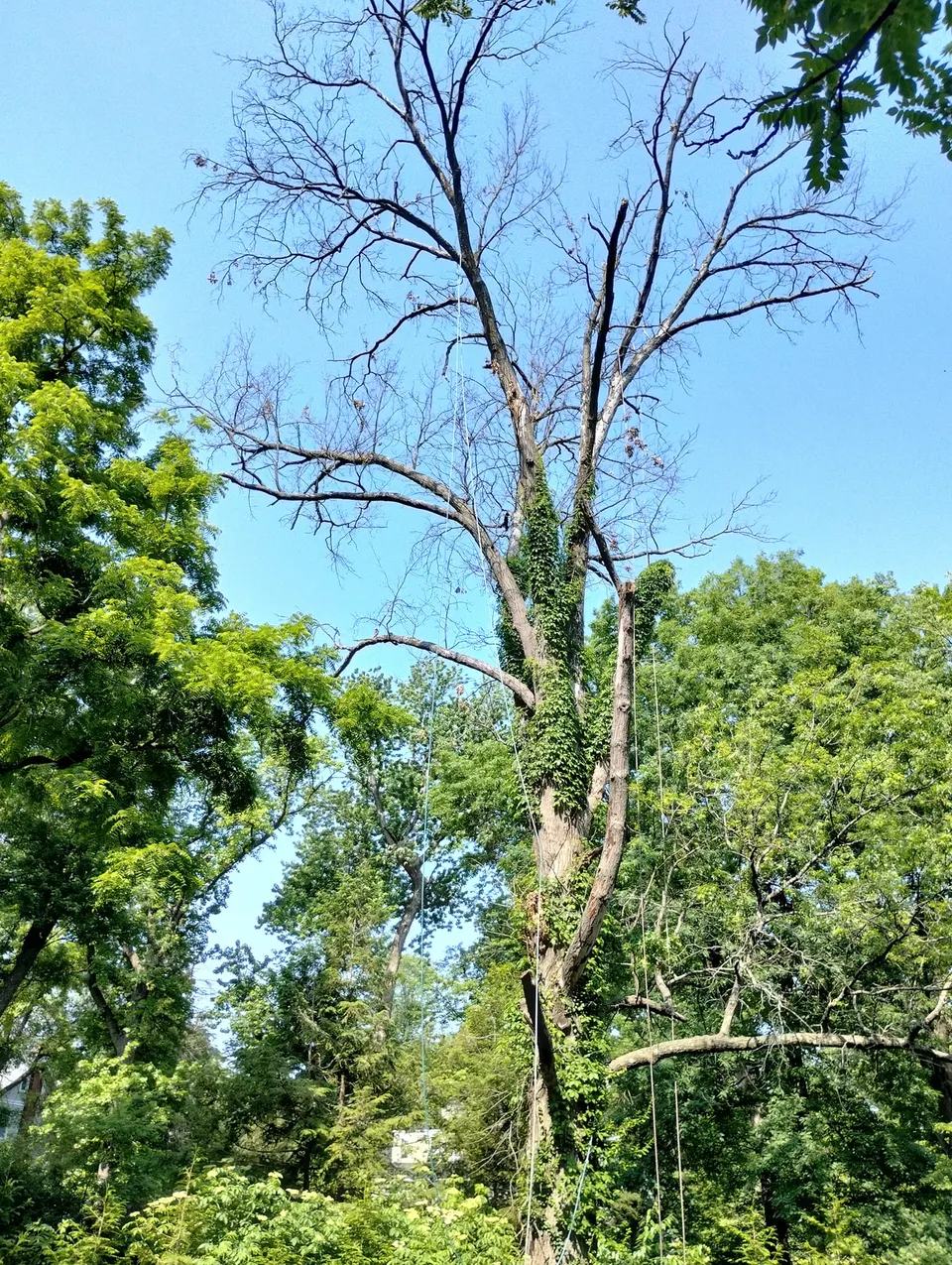
While a few dead branches can be trimmed away through routine tree pruning, a tree with more than 50% dead or dying branches is typically beyond saving. Dead wood is brittle and unpredictable—it can fall without warning, creating a significant hazard.
3. Severe Lean
A sudden lean or a lean greater than 15 degrees from vertical often indicates root failure or structural instability. If your tree has developed a pronounced tilt, especially after a storm, it needs immediate professional evaluation. Our dangerous tree removal specialists can assess the risk and remove the tree safely.
4. Root Damage or Heaving Soil
Construction, erosion, or disease can damage a tree's root system. Signs include lifted or cracked soil around the base, exposed roots, or fungal growth near the root zone. Trees with compromised roots can't support themselves and become toppling hazards.
5. Fungal Growth
Mushrooms, conks, or other fungal growth at the base of the tree or on the trunk signal internal decay. Fungi feed on dead or dying wood—their presence usually means the tree is rotting from the inside out, even if the exterior looks healthy.
6. Hollow Trunk
A hollow trunk doesn't always mean immediate removal is necessary, but it significantly weakens the tree's structure. The extent of the hollow and the tree's overall condition will determine whether removal or monitoring is the best course of action.
7. Proximity Hazards
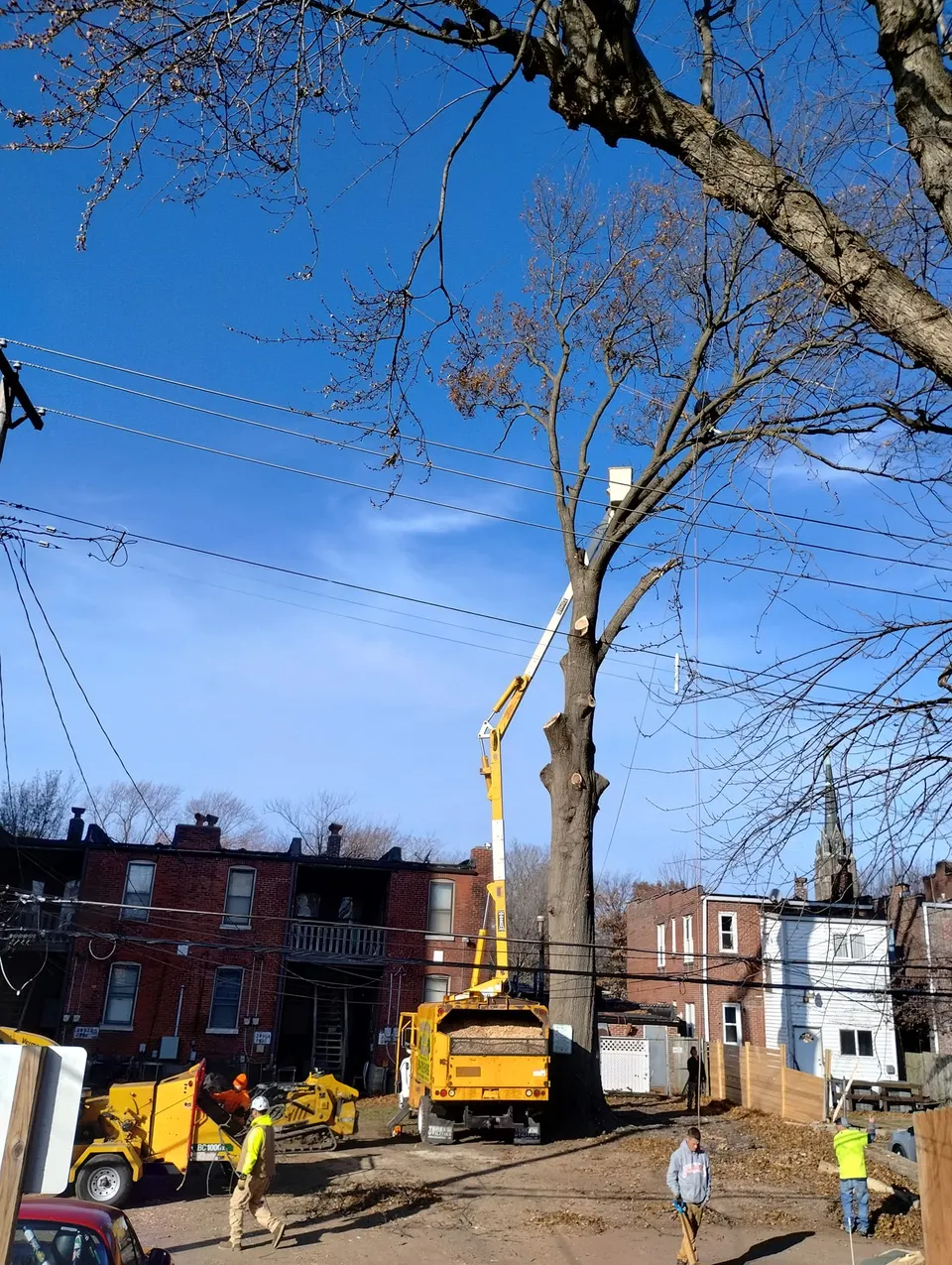
Even a healthy tree may need to be removed if it's too close to your home, power lines, or other structures. Trees planted too close can cause foundation damage, roof damage, or pose electrical hazards. If a tree threatens your property, removal is often the safest long-term solution.
Emergency Tree Removal Situations
Some situations require immediate action. If a tree has fallen on your home, is blocking a road, or is actively splitting and threatening to fall, don't wait—call for 24/7 emergency tree service. Thompson Tree Care provides rapid response across the Saint Louis metro area.
Storm damage is one of the most common emergency scenarios. After severe weather, inspect your trees for:
- Hanging or broken branches
- Sudden lean or uprooting
- Trunk splits or major cracks
- Trees resting on structures or power lines
For more on handling storm-damaged trees, read our guide on storm damage emergency response.
When to Call a Professional
Not every tree issue is obvious from the ground. A certified arborist can identify hidden problems like internal decay, disease progression, or structural weaknesses that aren't visible to untrained eyes. We recommend professional assessment if:
- You notice any of the warning signs above
- Your tree was recently damaged by a storm
- You're planning construction or landscaping near a mature tree
- You're unsure whether trimming or removal is the better option
Thompson Tree Care offers free on-site estimates throughout Saint Louis and surrounding areas. Our arborist will assess the tree's health, discuss your options, and provide a transparent quote—no hidden fees, no pressure.
Are There Alternatives to Removal?
In some cases, yes. Strategic pruning, cabling, or bracing can extend the life of a structurally compromised tree. However, these are temporary solutions and only appropriate for trees with specific, limited issues. If the tree is extensively diseased, dead, or poses an imminent hazard, removal is the only safe option.
For trees that are declining but not yet hazardous, regular monitoring and maintenance can prevent the need for emergency removal down the line. Annual inspections are a smart investment, especially for older trees or those near structures.
What Does Tree Removal Cost?
The cost of tree removal in Saint Louis varies based on size, location, and complexity. Most residential removals range from $300 to $2,500. Factors affecting price include:
- Tree height and diameter
- Proximity to structures, power lines, or other obstacles
- Accessibility (backyard trees often cost more than front-yard trees)
- Disposal and cleanup requirements
For a detailed breakdown, see our article on how much tree removal costs in Saint Louis.
Don't forget about stump grinding—leaving the stump can create tripping hazards, attract pests, and limit your use of the yard. We recommend grinding stumps 6-12 inches below grade so you can replant or landscape over the area.
Frequently Asked Questions
The most common warning signs include visible decay in the trunk, major structural damage, dead or dying branches covering more than 50% of the canopy, severe lean (greater than 15 degrees), root damage or heaving soil, fungal growth at the base, hollow trunk cavities, and proximity hazards to structures or power lines.
It depends on the angle and cause. A slight lean (under 15 degrees) that developed over many years is usually not dangerous. However, a sudden lean, especially after a storm, or a lean greater than 15 degrees typically indicates root failure and requires removal.
Not necessarily, but dead trees lose structural integrity over time. If a dead tree is far from structures and power lines, it may be left as wildlife habitat. However, dead trees near homes, roads, or high-traffic areas should be removed before they become brittle and unpredictable.
Common disease symptoms include unusual leaf discoloration or early leaf drop, bark abnormalities like splitting or peeling, fungal growth (mushrooms or conks) at the base or on the trunk, oozing sap or cankers, and stunted or sparse new growth. A certified arborist can properly diagnose tree diseases.